

Envisioning the future with Hanwha Asset Management CEO Jong-Ho (James) Kim

• Global assets under management (AUM) are projected to reach $200 trillion by 2030, but profit margins are declining as demographic shifts, AI, and tokenization reshape the industry.
• Hanwha Asset Management is expanding across the U.S., Southeast Asia, and the Middle East while investing in AI-driven platforms built on transparency and customer-centricity, and blockchain-based infrastructure designed to broaden access to investment opportunities.
• Hanwha is a long-term financial partner focused on lifecycle-based solutions and enduring value rather than short-term performance.
Global assets under management (AUM) are projected to reach approximately $200 trillion by 2030. Yet beneath that headline figure, the industry’s economics are shifting. According to PwC, 89% of asset managers have reported profitability pressure over the past five years, with profit per AUM down 19% since 2018. The industry is growing in scale, but margins are shrinking.
Three forces are driving this compression simultaneously. Demographic shifts — particularly the rise of mass affluent and high-net-worth individuals across Asia and the Middle East — are creating demand for personalized, lifecycle-based financial solutions that go beyond traditional portfolio management. AI is moving from a back-office efficiency tool to a front-line component of the customer experience, and tokenization is opening asset classes that were previously restricted to institutional investors. Together, these forces are reshaping not just what asset managers offer, but how they operate and where they compete.
How is the asset management landscape shifting?
Margin compression and the rapid growth of passive investment vehicles are pushing firms away from product distribution and toward integrated, technology-enabled advisory services. Private credit AUM is projected to approach $4 trillion by 2030, reflecting a growing appetite for alternative investments among both institutional and retail clients. At the same time, the traditional model of managing assets from a single headquarters is giving way to a multi-hub structure, with firms establishing local presence in growth markets to serve clients closer to where capital is being generated.
The geographic center of gravity is shifting as well. Growth markets in Southeast Asia and the Middle East are attracting global capital, with hubs like Abu Dhabi positioning themselves as strategic gateways between established and emerging financial ecosystems. At Abu Dhabi Finance Week in December 2025, Hanwha Asset Management reinforced its Middle East presence and signed a $500 million MOU with U.S.-based MarcyPen Capital Partners to support the global expansion of K-culture and lifestyle industries.
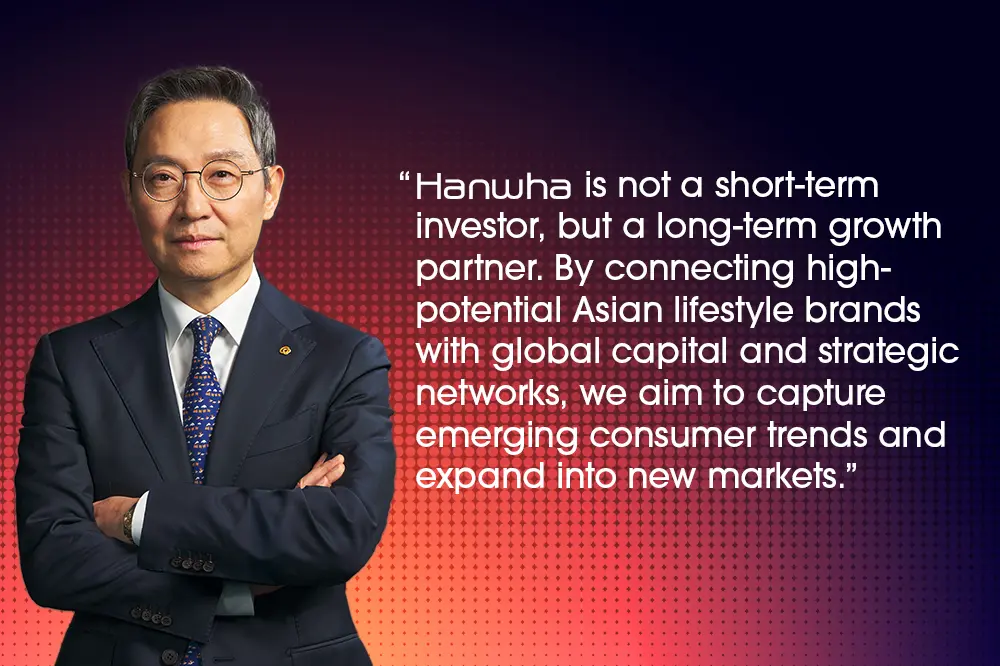
“Hanwha is not a short-term investor, but a long-term growth partner,” says Jong-Ho (James) Kim, CEO of Hanwha Asset Management. “By connecting high-potential Asian lifestyle brands with global capital and strategic networks, we aim to capture emerging consumer trends and expand into new markets.”
How are AI and digital platforms reshaping the financial experience?
AI is accelerating across financial services. Robo-advisory platforms, behavioral data analytics, and personalized portfolio strategies are enabling firms to deliver tailored solutions at scale. But rapid adoption has raised legitimate concerns about algorithmic bias, explainability, and data privacy. The EU’s Digital Operational Resilience Act (DORA) and ongoing regulatory attention to algorithmic transparency in financial services reflect a broader push toward accountability in technology-driven tools. For asset managers, the challenge is not whether to adopt AI but how to do so in a way that maintains client trust while meeting evolving regulatory expectations.
Hanwha’s PLUS app is a platform that integrates AI-driven advisory with lifecycle-based financial solutions, designed to support customers across different stages of wealth accumulation. The platform provides access to a range of products, including alternative assets, ETFs, and multi-asset solutions from a global perspective. In December 2024, the company established the Hanwha AI Center (HAC) in San Francisco, a hub connecting academic research with real-world financial applications across Hanwha's financial affiliates. Located in Silicon Valley, HAC is focused on strengthening AI capabilities and advancing the digital financial value chain.
“Our AI strategy goes beyond simple technology adoption,” Kim says. “It is designed based on core principles of ethics, transparency, and customer-centricity. We are building systems that make AI decision-making processes explainable, while strengthening governance frameworks to ensure accountability and transparency.”

What role does digital infrastructure play in broadening access?
Tokenized fund assets are projected to exceed $600 billion by 2030. Tokenization and blockchain-based platforms are enabling broader access to asset classes that were previously limited to institutional investors. Fractional ownership, which allows investors to buy small shares of high-value assets, as well as transparent transaction records and reduced settlement times, are collectively making private markets more accessible to a wider range of participants.
Hanwha is building blockchain-based digital investment infrastructure designed to provide a seamless experience from asset viewing to execution and post-management within a single integrated platform. The company is also investing in dedicated funds across AI, blockchain, and robotics, and is preparing to enable customer access to digital assets once relevant legal and regulatory frameworks are established.

What does Hanwha’s approach suggest about the future of finance?
Trust, technology, and long-term commitment are becoming increasingly inseparable in financial services. As the industry shifts from product distribution to lifecycle-based partnership, firms that combine global reach, digital infrastructure, and sustained client commitment are better positioned than those optimizing for short-term performance alone. Hanwha’s approach reflects this shift, integrating insurance, asset management, securities, and banking into a unified system through digital platforms and AI-driven services designed to deliver a consistent financial experience across markets.
“True financial well-being is not defined by short-term performance, but by enduring value that spans generations,” Kim says. “Hanwha will continue to prepare for the future of finance based on a strong belief that sustainable growth is built on trust accumulated over time and a steadfast sense of responsibility.”


Get the latest news about Hanwha, right in your inbox.
Fields marked with * are mandatory.
- Non-employee
- Employee