

How Hanwha is supporting Canada’s industrial future
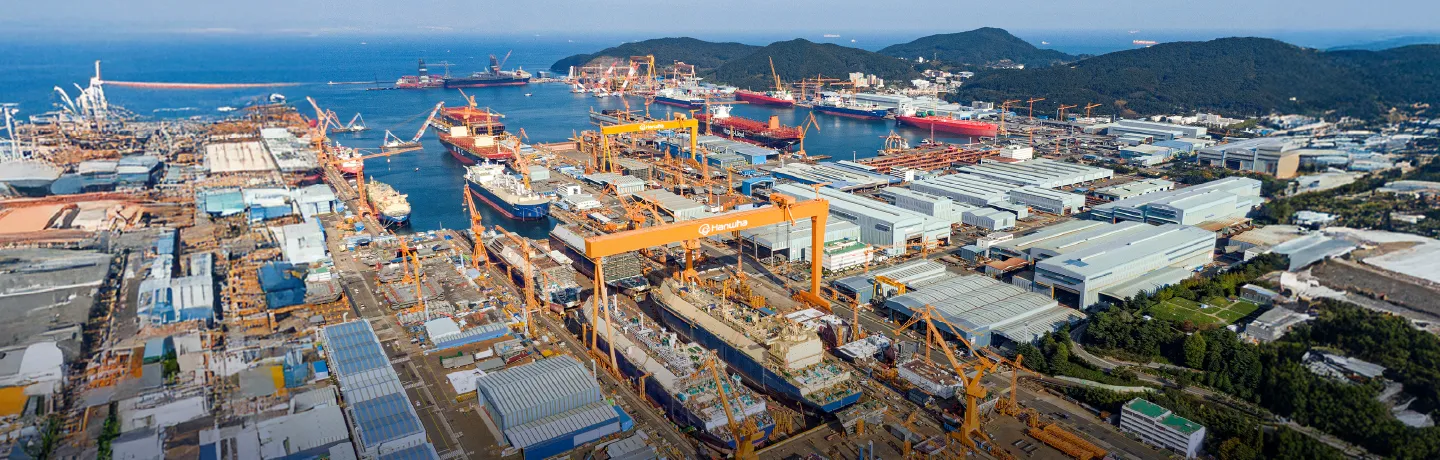
The global maritime landscape is shifting rapidly, driving an urgent need for advanced undersea capability to protect trade, infrastructure, and sovereignty. For Canada, the replacement of the country’s aging Victoria-class fleet is a strategic gateway for long-term industrial participation, enabling transformative opportunities to localize supply chains, expand the workforce with high-skilled jobs, and invest in next-generation technologies.
In this article, we highlight five key figures that demonstrate how the Canadian Patrol Submarine Project (CPSP) will reshape the Canadian economy — and how Hanwha brings a proven, value-driven operating model aligned with national security needs.
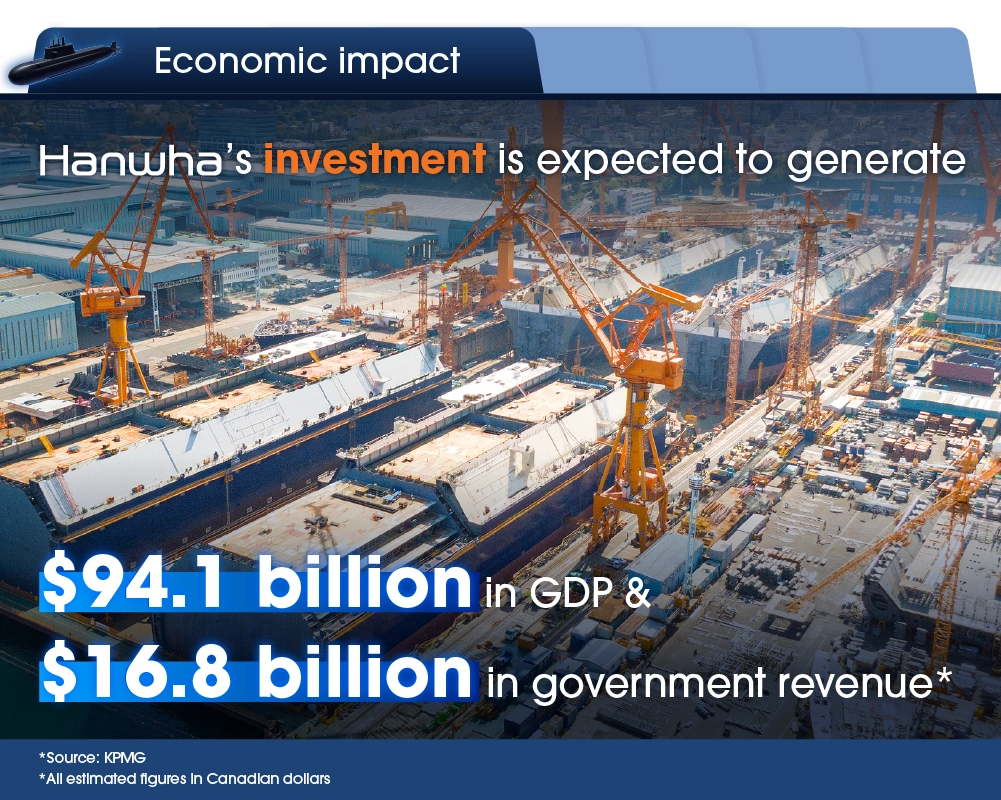
Beyond industrial participation, the broader economic impact of CPSP is substantial. Hanwha’s investment strategy is projected to contribute approximately $94.1 billion in GDP to the Canadian economy between 2026 and 2044. Hanwha’s investment is also expected to produce $16.8 billion in fiscal revenue across federal, provincial, and municipal governments.
In total opportunity value, Hanwha will generate an estimated $60.1 billion, spanning direct value from advancing Canada’s submarine supply chain to indirect value from developing shipbuilding capability and supporting sectors in core energy, critical minerals, and advanced technologies. Combined, these figures underscore how Hanwha will drive growth and strengthen Canada’s industrial capacity nationwide.
*Source: KPMG
*All estimated figures in Canadian dollars
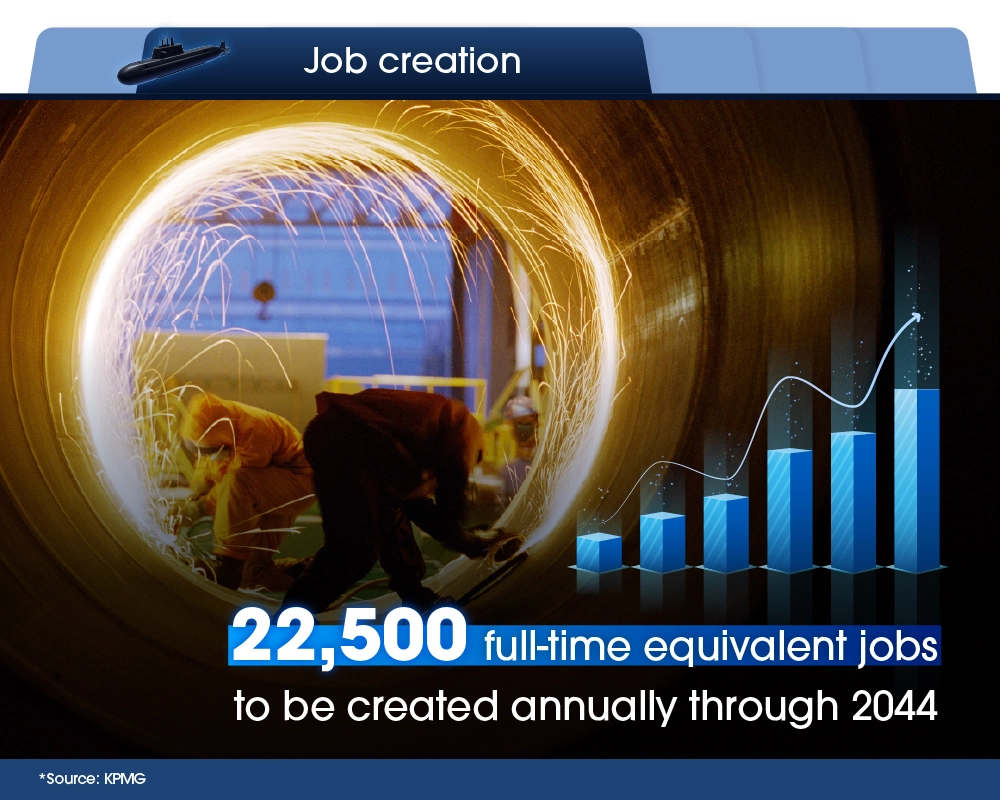
Hanwha’s large-scale investment in CPSP is projected to support approximately 22,500 jobs annually, encompassing direct, indirect, and induced employment across manufacturing, maintenance, and lifecycle services over an 18-year period through 2044 — delivering sustained economic impact across the country. Notably, average salaries are estimated to be 17-28% above the national average, underscoring Hanwha’s commitment to reinforcing Canada’s industrial capacity with a more competitive and resilient workforce.
*Source: KPMG
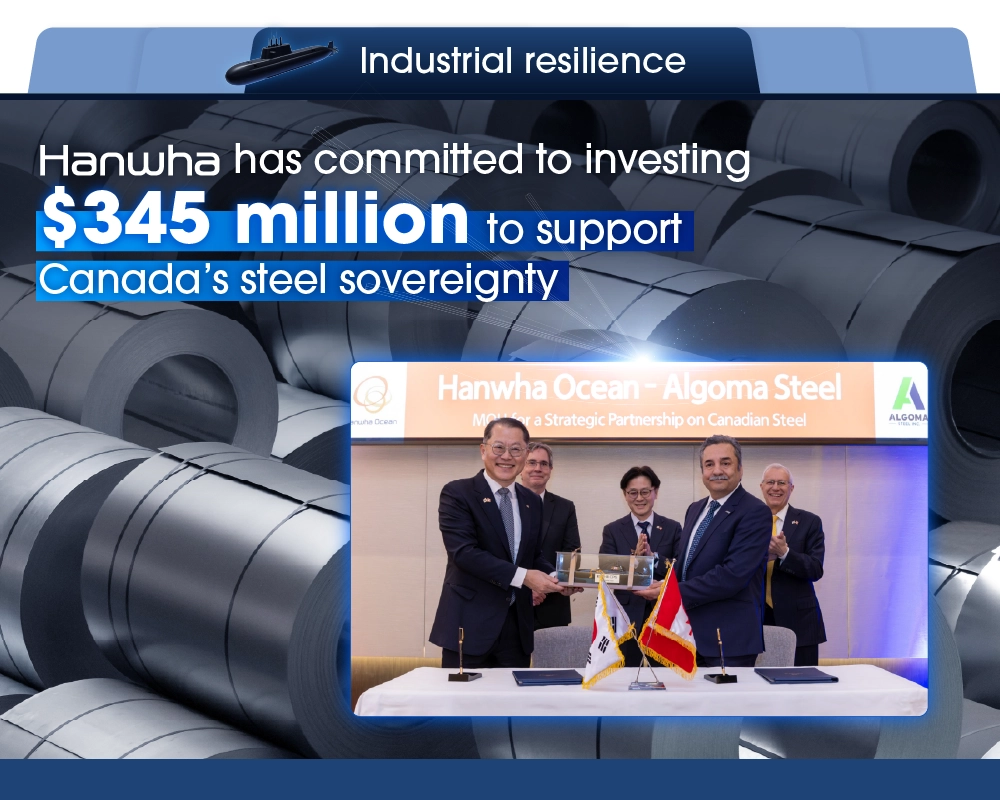
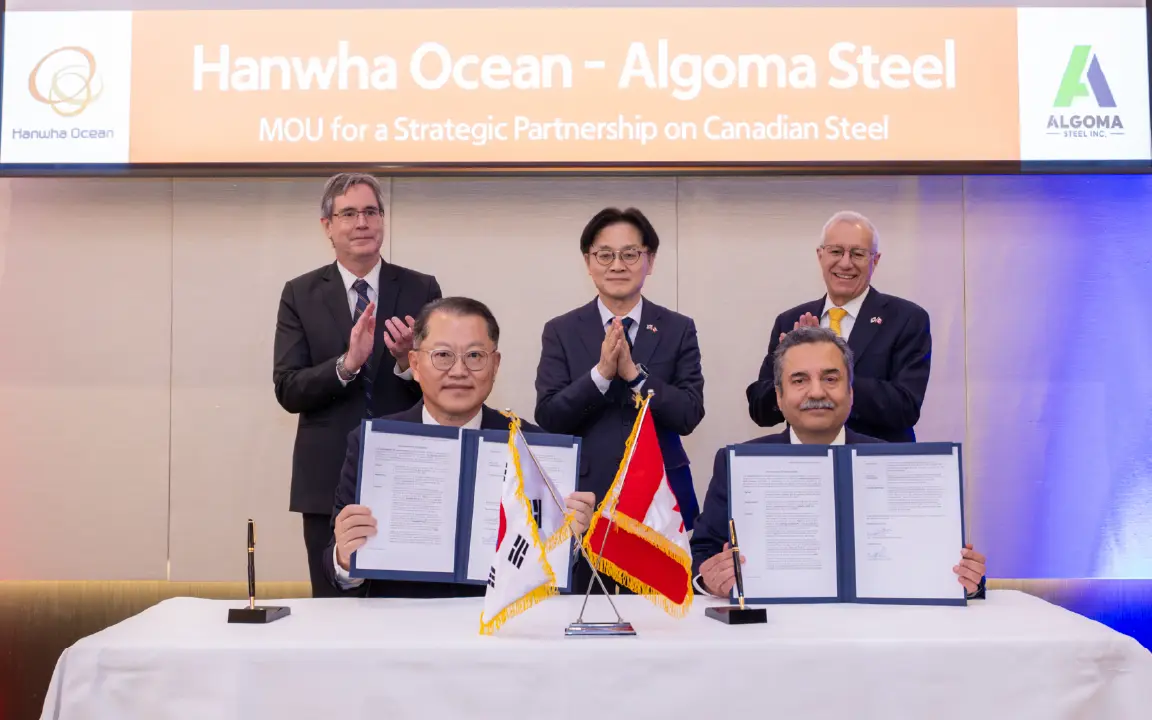
Hanwha Ocean has signed a binding memorandum of understanding (MOU) with Algoma Steel, a legacy Canadian steel producer, to provide up to $345 million to drive industrial resilience. This investment supports the development of a new structural steel beam mill in Sault Ste. Marie, Ontario, and ensures the procurement of Canadian-made steel for both submarine construction and maintenance, repair, and overhaul (MRO) infrastructure. The partnership exemplifies the “Buy Canadian” policy, positioning Hanwha as a long-term partner contributing to industrial sovereignty.
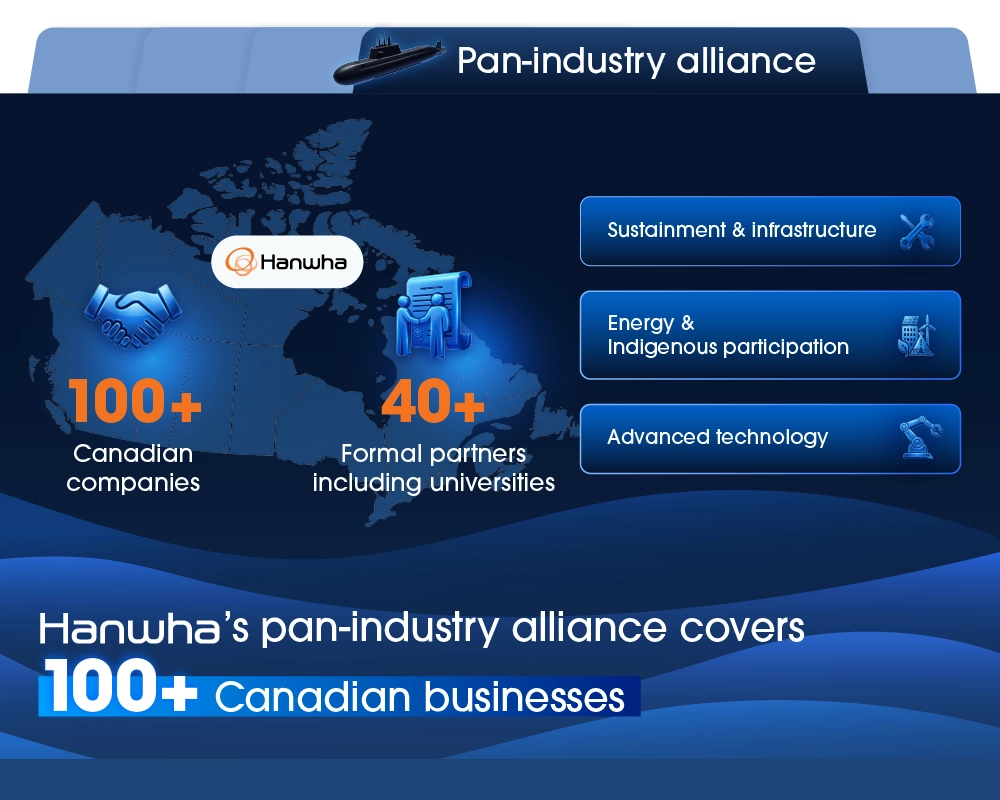
Committed to anchoring the project in domestic jobs and supply chains, Hanwha has engaged with over 100 Canadian companies specializing in defense, shipbuilding, manufacturing, and digital technologies to build a nationwide industrial ecosystem. From this broad outreach, Hanwha has already signed more than 40 teaming agreements and MOUs with Canadian partners across industries, including Algoma Steel, Babcock Canada, CAE, MDA Space, and Telesat, ensuring CPSP remains rooted in local industry.

Underscoring the critical role of academic research and innovation in advancing modern defense capability, Hanwha has established formal agreements with the University of Toronto, University of New Brunswick, Dalhousie University, and Mohawk College to collaborate on AI-driven naval systems, digital maritime technologies, and intelligent defense capability. By integrating university research into its industrial strategy, Hanwha is helping cultivate a skilled talent pipeline to support future naval programs, reinforcing a defense ecosystem in which academia, industry, and government work together to develop intelligent defense capabilities.
Related Content

Get the latest news about Hanwha, right in your inbox.
Fields marked with * are mandatory.
- Non-employee
- Employee