

What's in a number: 5 figures behind the growth of robotics and cobots

Automation has driven industrial progress for many years. From the first assembly lines to modern robotics, machines have helped increase productivity, often by keeping people and equipment apart for safety. Today, collaborative robots (cobots) are changing how people and machines work together.
Cobots use sensors and smart controls to work safely alongside people, slowing down or stopping if someone comes close. By handling repetitive or physically demanding tasks, cobots help create safer workplaces while improving precision and efficiency.
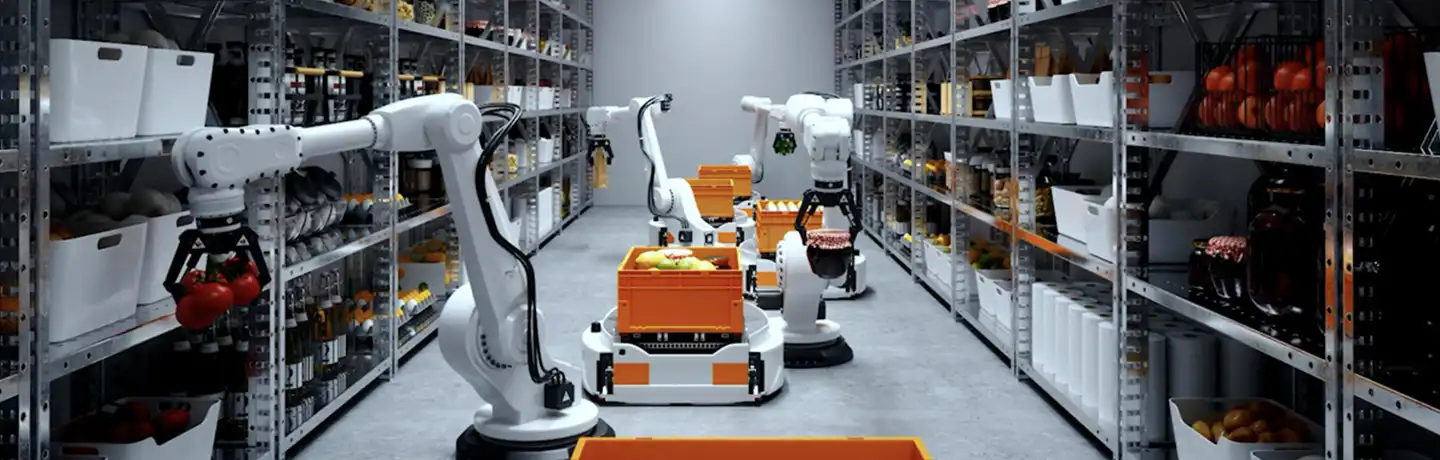
Cobots are used in many places beyond factories. They are now found in food technology, biotech labs, and shipyards — environments where accuracy and safety matter most. As companies seek safer, more flexible automation, cobots are seeing wider adoption. They are changing how work gets done and creating new ways for people and machines to work together.
Here are five figures that explain why more companies are using cobots and how they are reshaping industrial automation.

The global robotics market is expected to more than double by 2030, reaching $205.5 billion. Industries are investing in advanced automation to increase productivity, address labor shortages, and modernize their operations. As this market expands, cobots are becoming a central part of that growth, reflecting a broader shift toward intelligent systems that can adapt to increasingly complex environments.
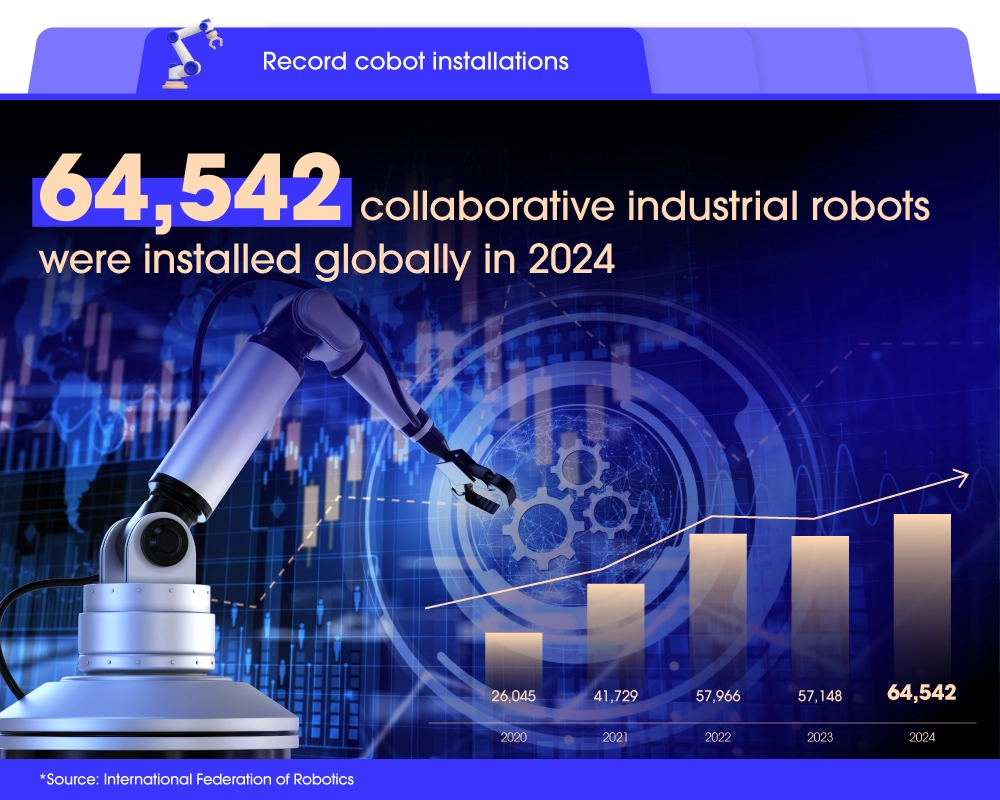
In 2024, companies deployed a record 64,542 collaborative industrial robots worldwide — a 12% increase from the previous year. This rise highlights how more manufacturers are integrating cobots to modernize operations and build more flexible, reliable production systems that can be used across sectors. The increased deployment indicates that cobots are moving beyond early adoption and becoming a more established part of industrial automation. A number of factors are contributing to this momentum.
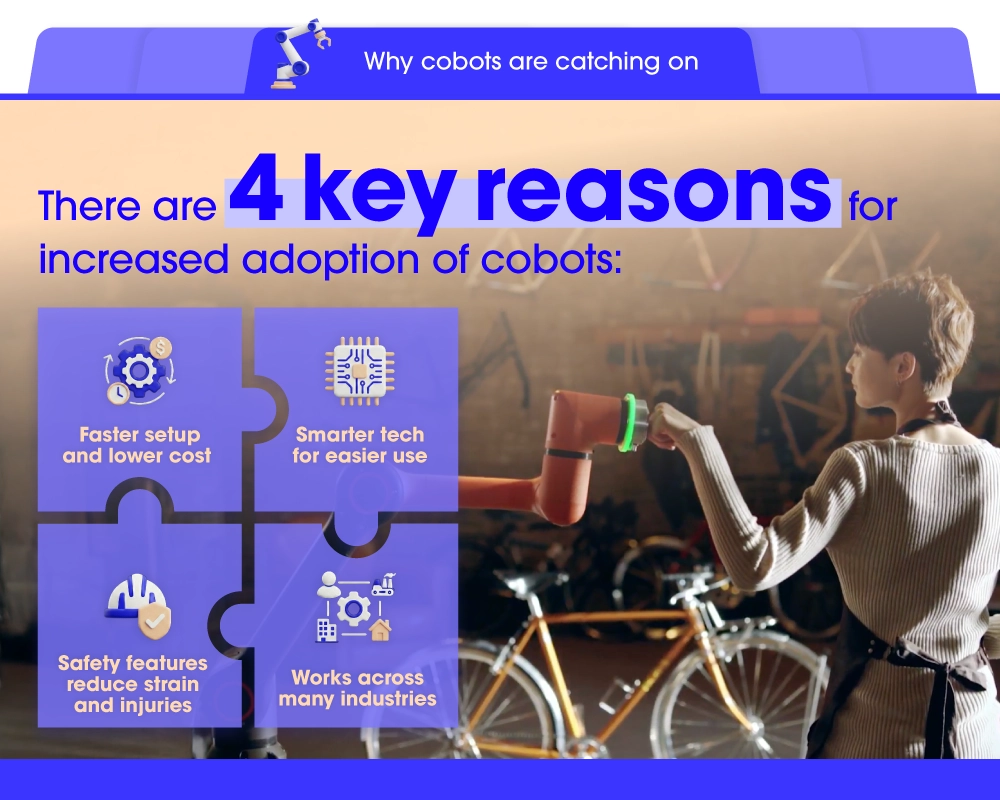
Cobot adoption is growing for four key reasons. They are relatively affordable and easier to integrate than traditional automation, helping businesses see a faster return on investment. Their built-in safety features reduce strain and help prevent injuries. Advances in sensors, AI, and software are also making cobots more intuitive to operate. And because they can support a wide range of tasks, cobots are now used across many industries. These qualities make it easier for people and cobots to work side by side while also delivering measurable performance improvements.
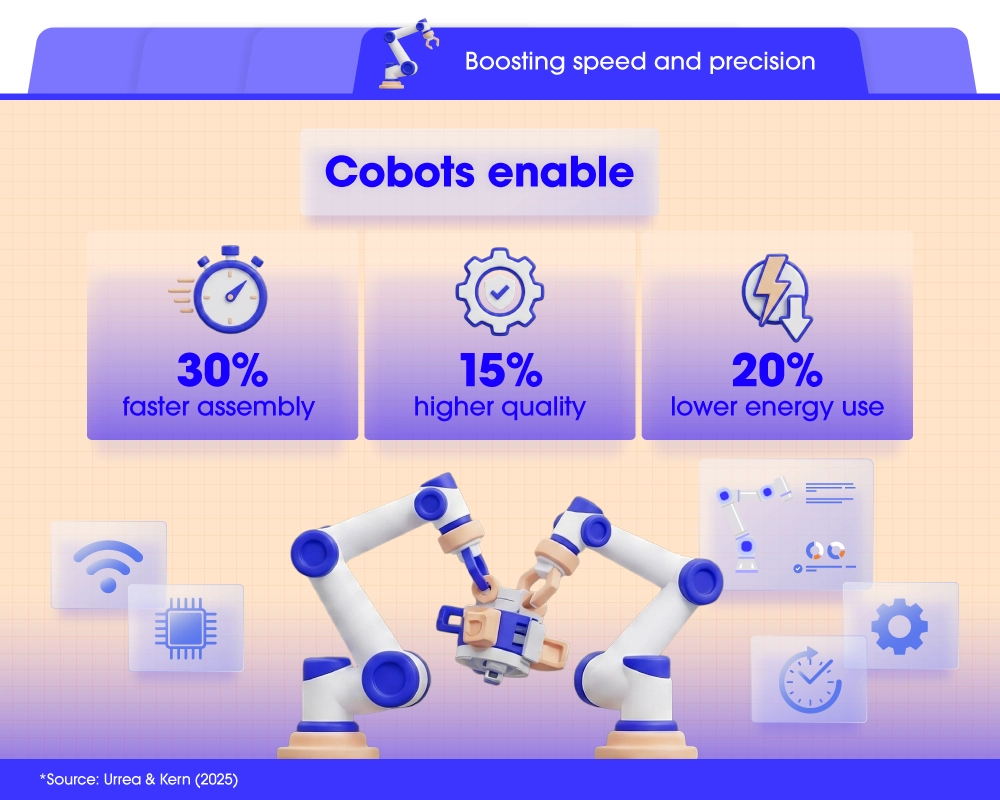
Industry data suggests that cobots can reduce assembly time by up to 30% while improving product quality by 15%. When paired with reinforcement learning and advanced control systems, they can also reduce production errors by 30% and cut energy use by 20%. These gains help manufacturers operate more efficiently and support sustainability goals. As manufacturers seek these efficiencies, Hanwha continues to grow its global robotics presence.
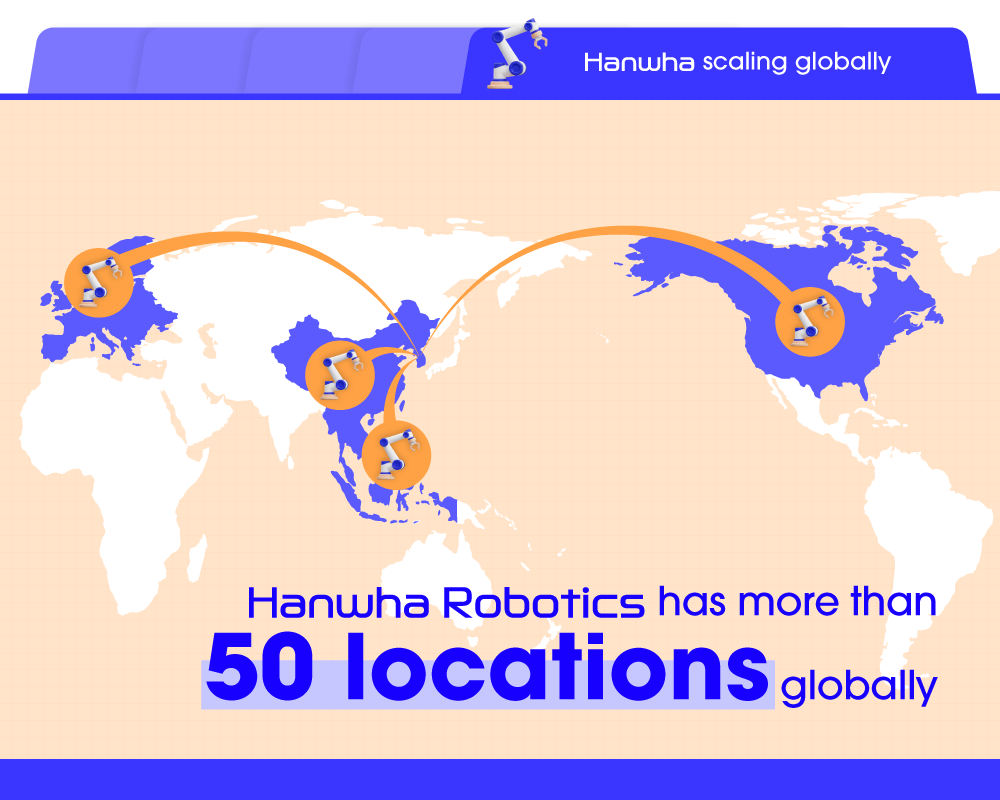
Hanwha Robotics now operates in more than 50 locations globally, providing local support for cobot sales, integration, and service. As global demand for collaborative automation grows, this expanding network strengthens Hanwha’s position in robotics and supports ongoing innovation.
Related Content



Get the latest news about Hanwha, right in your inbox.
Fields marked with * are mandatory.
- Non-employee
- Employee